

How books can take you places
Literally...
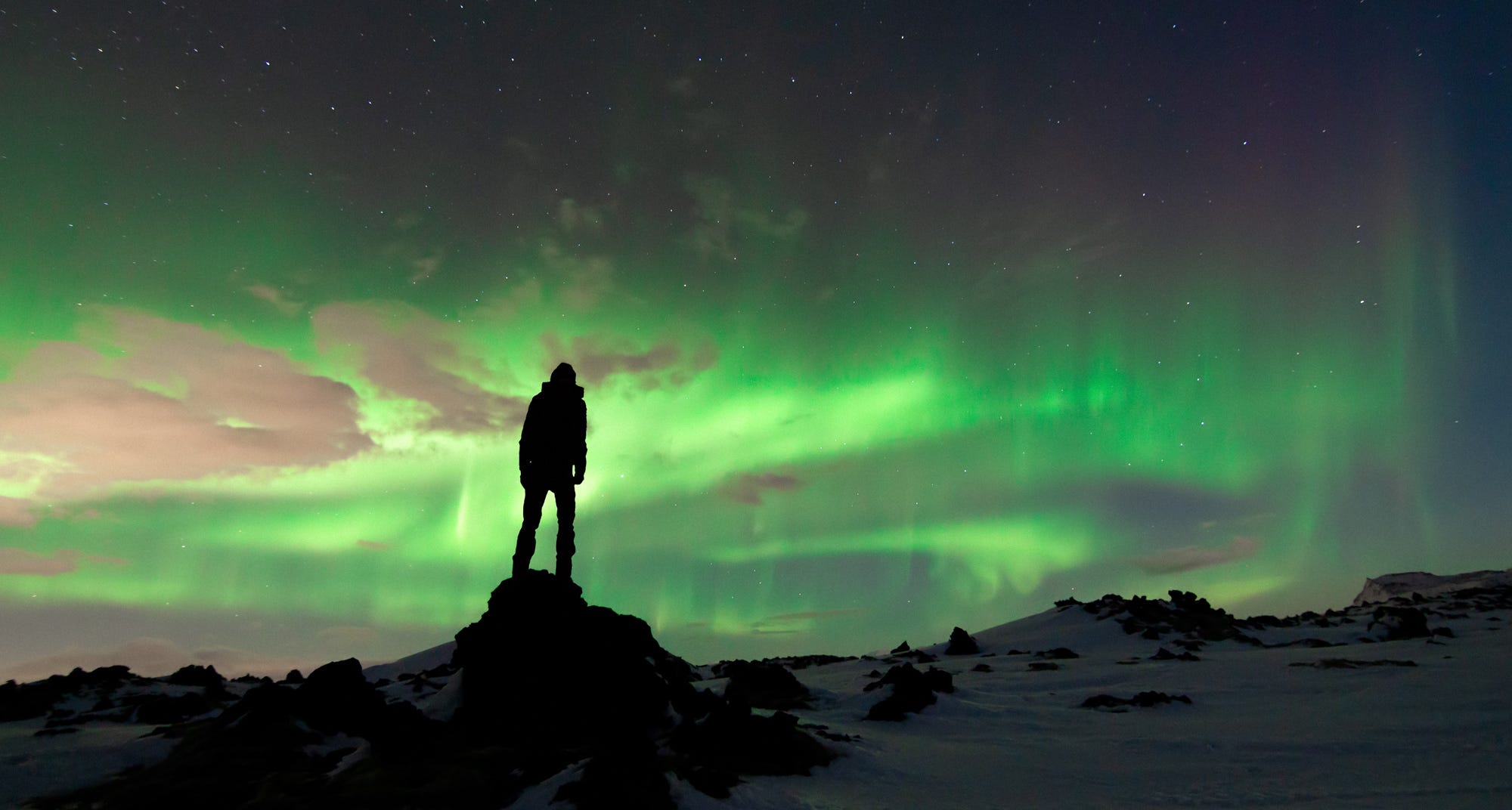
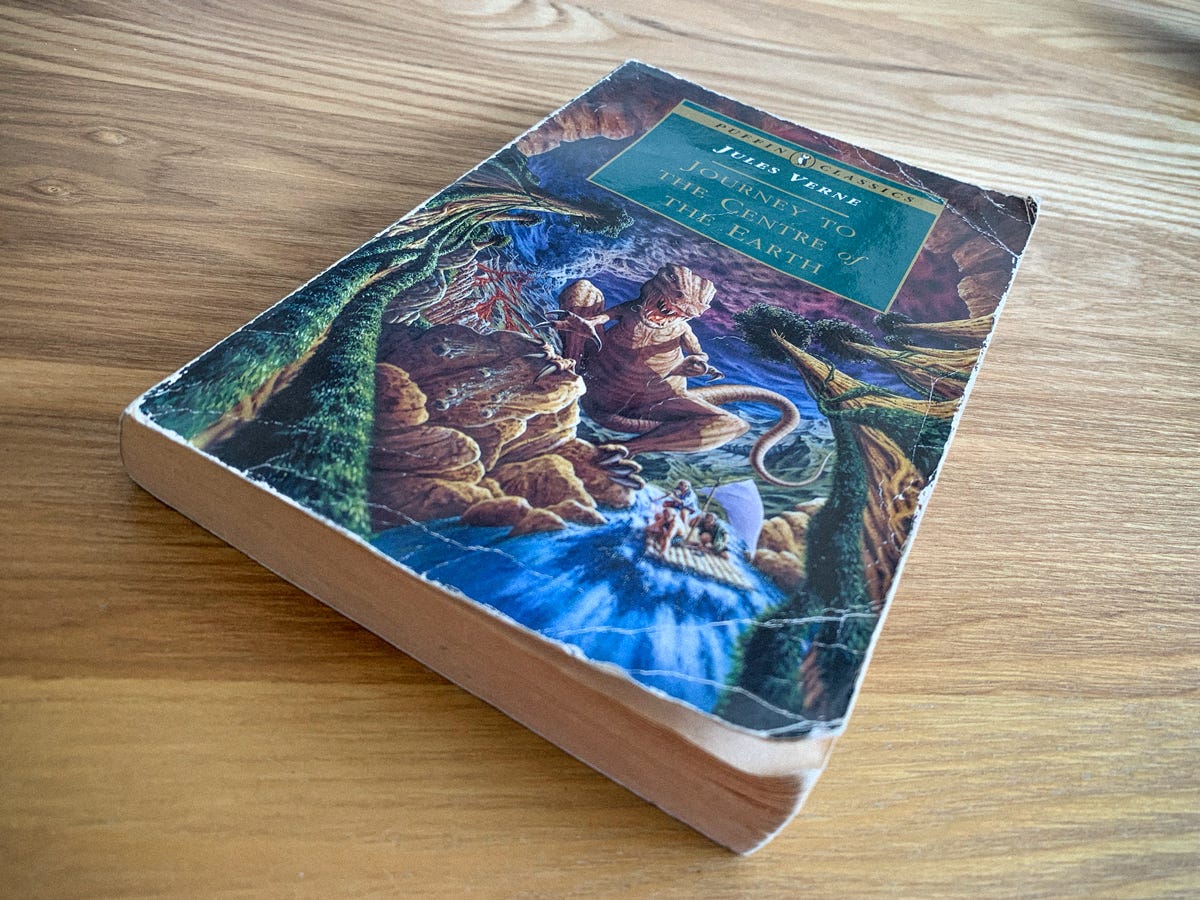
Among the many strange and wonderful novels I enjoyed as a child, one stands high among the rest. Jules Verne’s Voyage au centre de la Terre, first published in 1864, sees the young and cautious Axel dragged into the depths of the Earth by his eccentric uncle Professor Otto Lidenbrock. The two are accompanied by their stoic local guide Hans, and together embark on an adventure so grand, I was since surprised to realise that it runs fewer than 300 pages. The story is compelling, deeply rooted in the open scientific questions of its time, and delivers an emotional rollercoaster spanning awe, excitement and the terror of isolation.
Although Axel is our narrator, I contend that neither he or his companions are the real stars of Journey to the Centre of the Earth. Nor the plesiosaurus, ichthyosaurus or mastodons they encounter. It is the setting that steals the show—the barren, brittle wilderness of Iceland and the Snæfellsnes Peninsula, where the team begin their sojourn into the Earth’s interior. From chapter seven:
The great plutonic movement was in fact largely confined to the interior of the island; there the horizontal layers of superimposed rocks, known as trapps in the Scandinavian languages, the beds of trachyte, the eruptions of basalt, tuff, and all the volcanic conglomerates, and the streams of molten lava and porphyry have created a land of supernatural horror. I had no idea at that time of the sight which awaited us on the Sneffels peninsula, where this debris of a Nature in eruption forms a scene of frightful chaos.
A deft wordsmith in his native French, Verne made Iceland’s landscape vivid in my imagination, even through the inherently imperfect lens of translation (credit must be given to Robert Baldick). The book rendered a faraway place, utterly unlike the familiar climes of England and Scotland where I spent most of my childhood, viscerally real—I could almost smell its scorched surface.
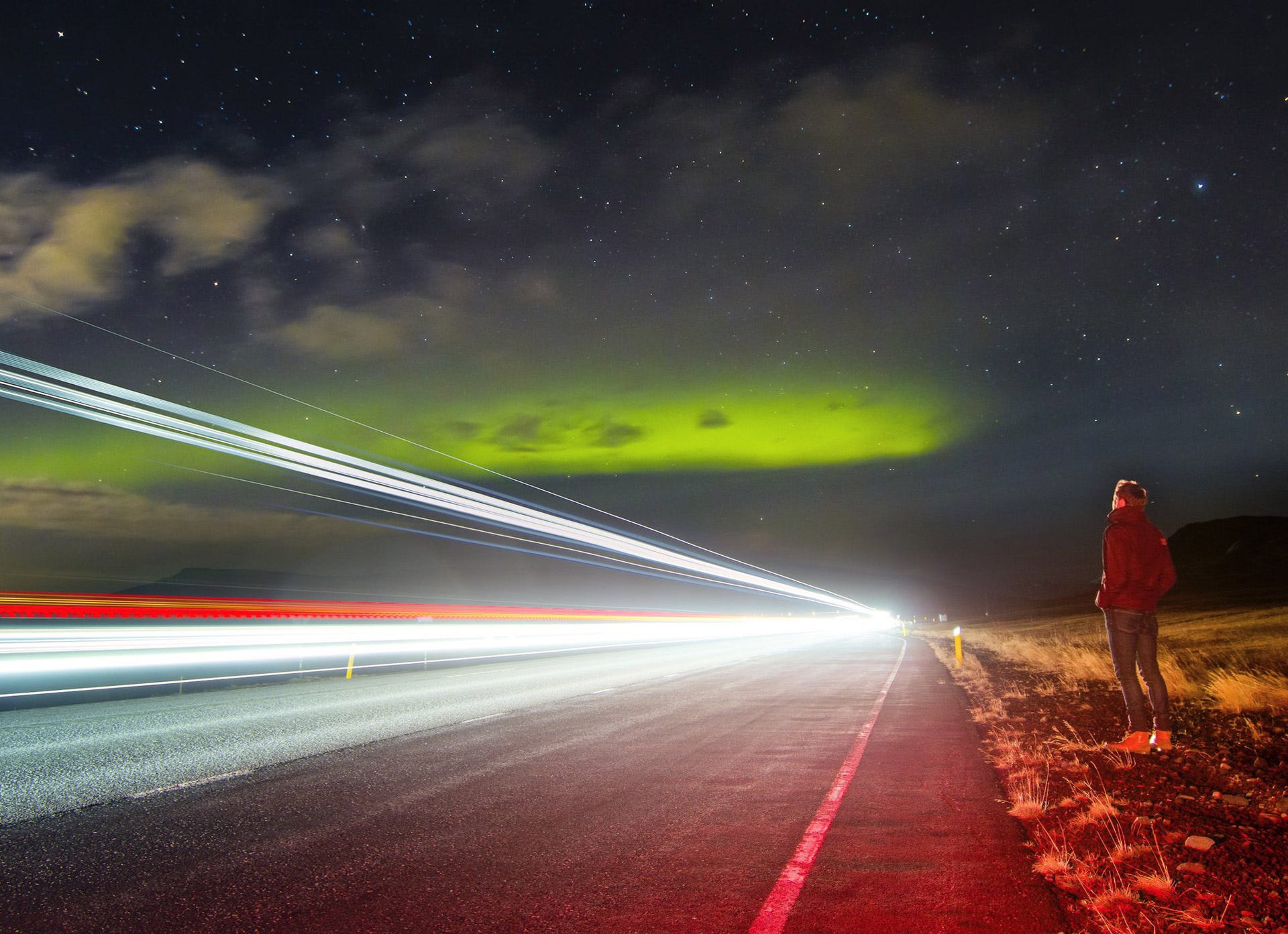
So fascinating was this place to my young mind, that it set in motion a kind of long-distance love affair. This would ultimately blossom into a personal odyssey when a new opportunity landed in my lap—the chance to travel to and work in Iceland. Not to follow Axel’s journey into the mouth of Snæfellsjökull (although the thought did frequently cross my mind) but to pursue a phenomenon almost as compelling as a lost subterranean world—the Northern Lights. For a life-long skywatcher, who grew up in Scotland within sight of the ‘mirrie dancers’, it felt like winning the lottery.
For years I took family groups and photographers to witness nature’s greatest light show, and effectively entered what would eventually become known as astrotourism. I’ve always revelled in that unique invitation the sky extends, beckoning us to visit remote and wonderful places to see auroras, eclipses and the rich wonders of the Milky Way. This has become a major part of my career, which I continued to pursue even whislt holding a full-time post at the Royal Observatory in London.
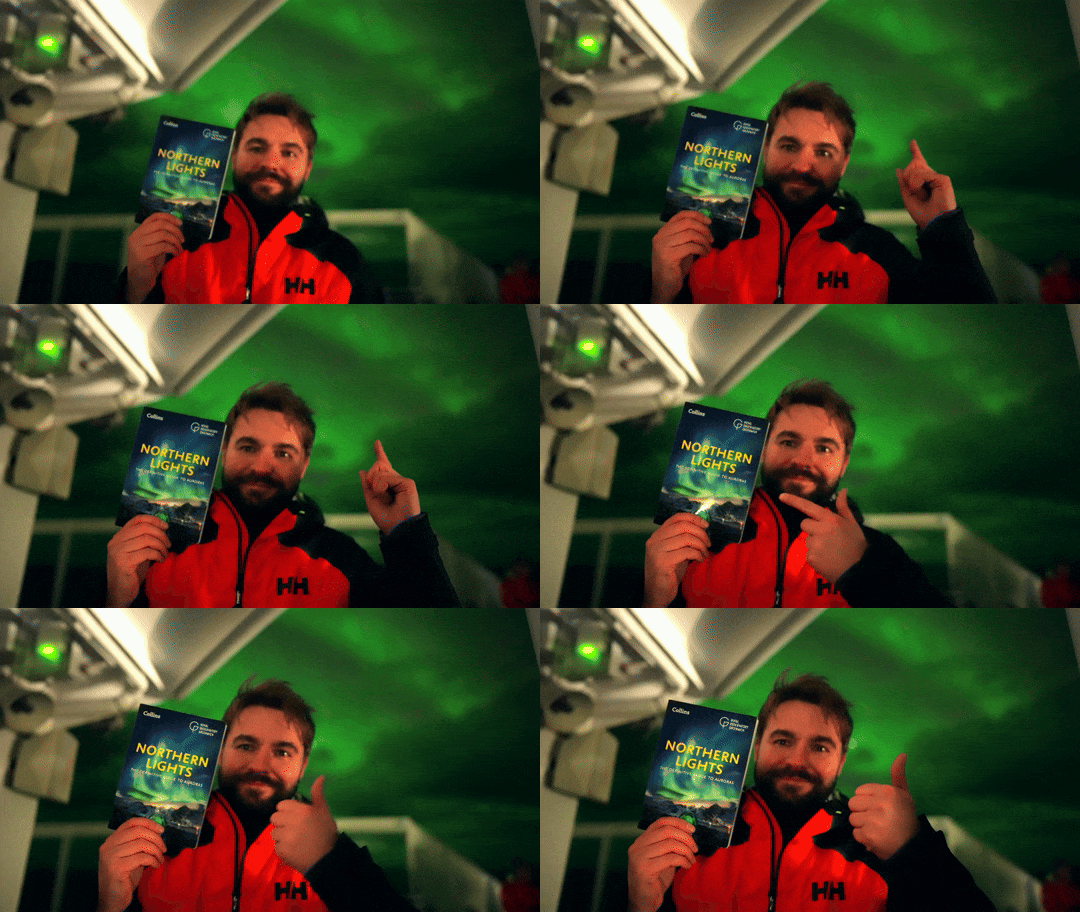
After I left the Observatory to become a freelancer in 2019, my decade of experience as a seasoned aurora-chaser set a new direction for my writing career when, having already delivered a few books for Collins (HarperCollins), I pitched a Northern Lights guide for the Publisher’s astronomy list. The submission met significant interest, and a little over one year later, the first edition of Northern Lights: The Definitive Guide to Auroras landed on bookshelves in September 2021. Curiously, I found myself thinking of Otto and his far-fetched theories of our planet’s interior. The famed real-world scientist Edmund Halley, himself a subscriber to Lidenbrock-style ideas, posited in 1716 that ‘magnetic effluvia’ escapes the subterranean realm near the Earth’s poles to give rise to the auroras—one of many stories presented in my book.
I had leapt from book to land to book; from reading about Iceland to experiencing Iceland, and then to writing from that very experience. More than 130 years after Journey’s original release, Verne’s ghost had extended a hand to steer my young self on an unforgettable path, and I would end up an Arctic addict, searching far and wide for the best nights under the auroral oval. However, I couldn’t have predicted what would come next.
Northern Lights proved to be a valuable title, rising to become a bestseller in its niche. It caught the attention of aurora experts and travel providers world wide, and ultimately led me to the Norwegian firm Hurtigruten. Sailing a fleet of ships into Arctic Norway, Hurtigruten has long set a gold standard for aurora experiences, and thanks to Northern Lights I was invited to contribute. In 2024, I was appointed the company’s Chief Aurora Chaser, and since then I’ve been developing cutting-edge forecasting tools, engaging the world’s media and delivering world-class aurora-chasing voyages.
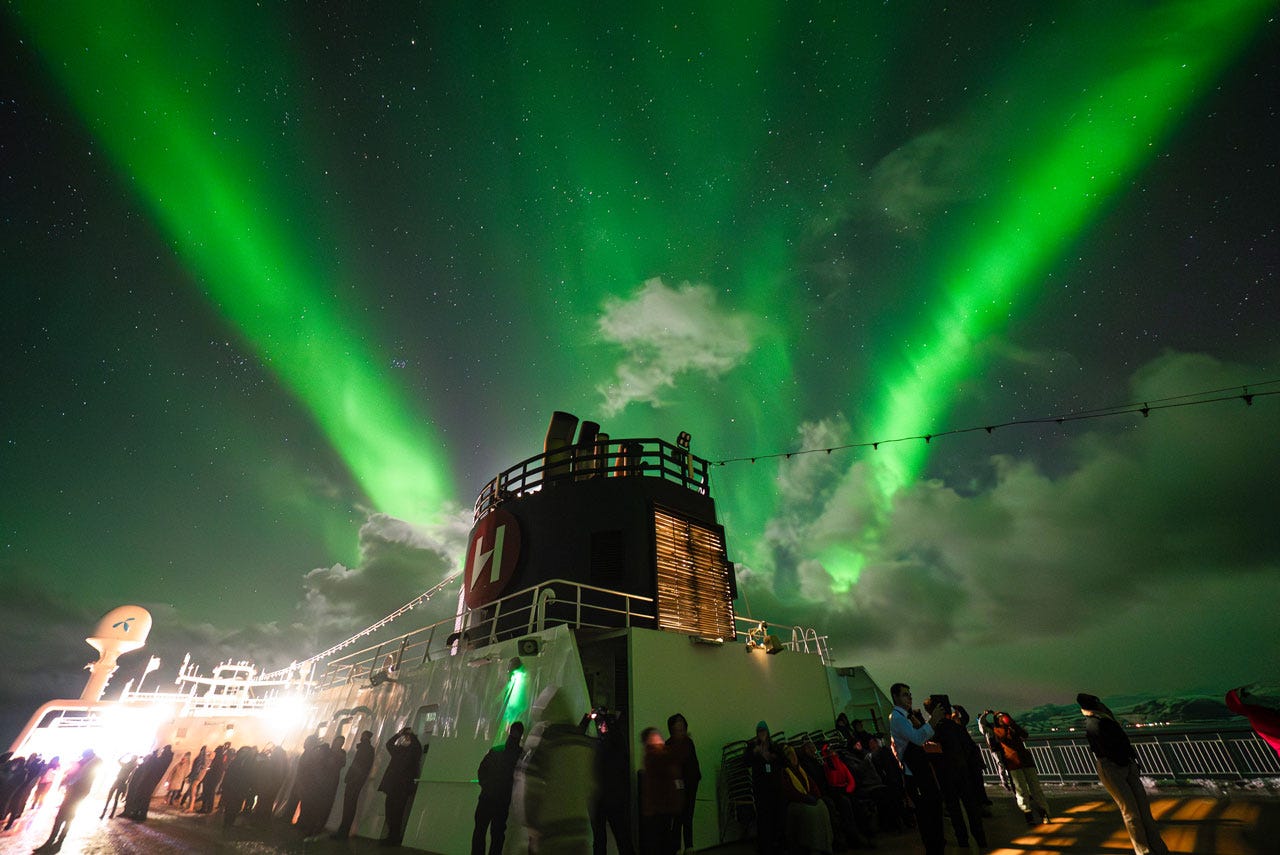
Journey brought me Iceland and Northern Lights brought me to Norway. Once again, I turned to writing. After five years, the first edition of my book—a brutally economical fit in 112 pages—needed an update to remain definitive. After thousands of aurora sightings across hundreds of nights, and with new advances in the field of space weather forecasting, there is much more to say. Collins agreed, offering a generous 160-page budget for the second edition, which releases in 2026. I wonder where I’ll go from there.
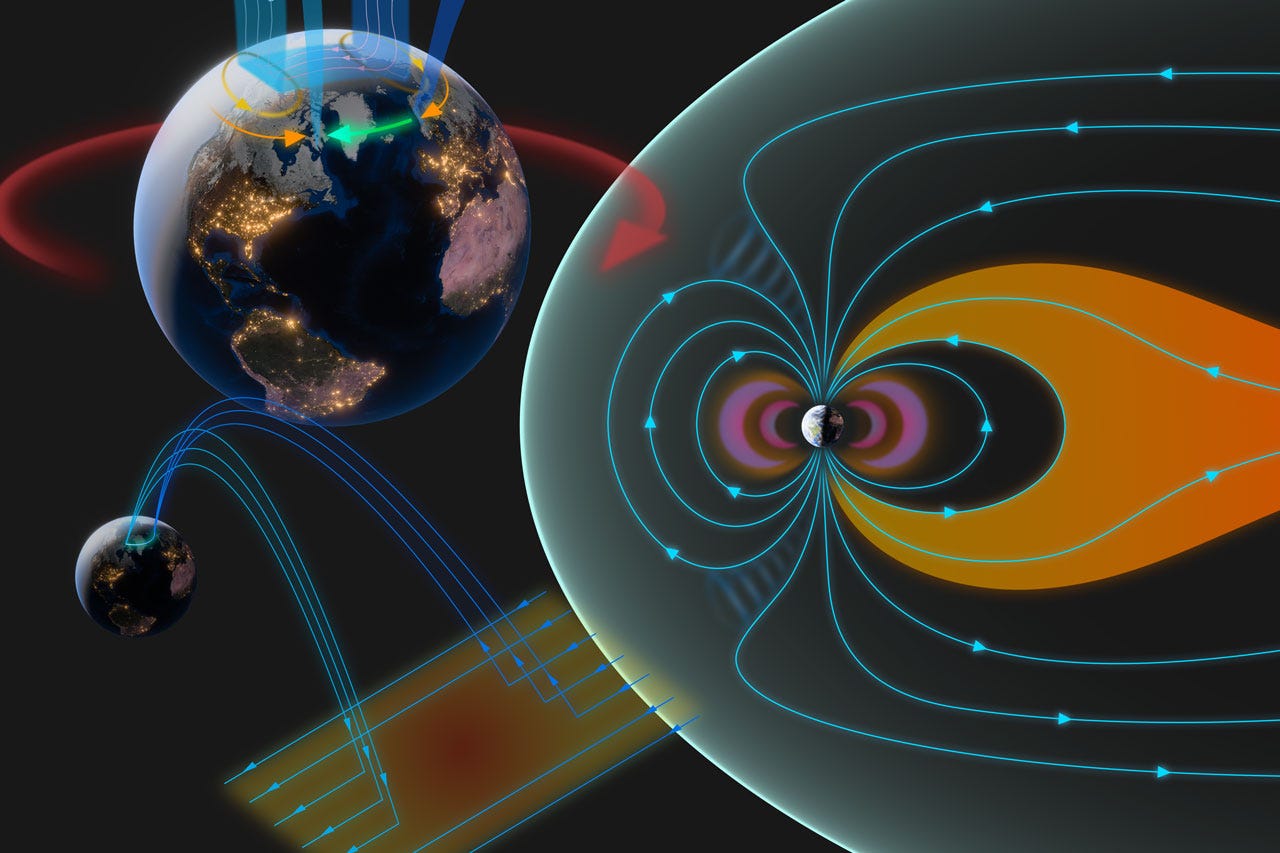
Never doubt that books have the power to literally take you to unexpected places, regardless whether you’re a reader or writer. In absorbing the sights, sounds and textures of Iceland through Verne’s sumptuous writing, I started on an inevitable course to the island. In absorbing the real magic of the Arctic sky, I developed the foremost book on my favourite subject and built a career that brings me back every year.
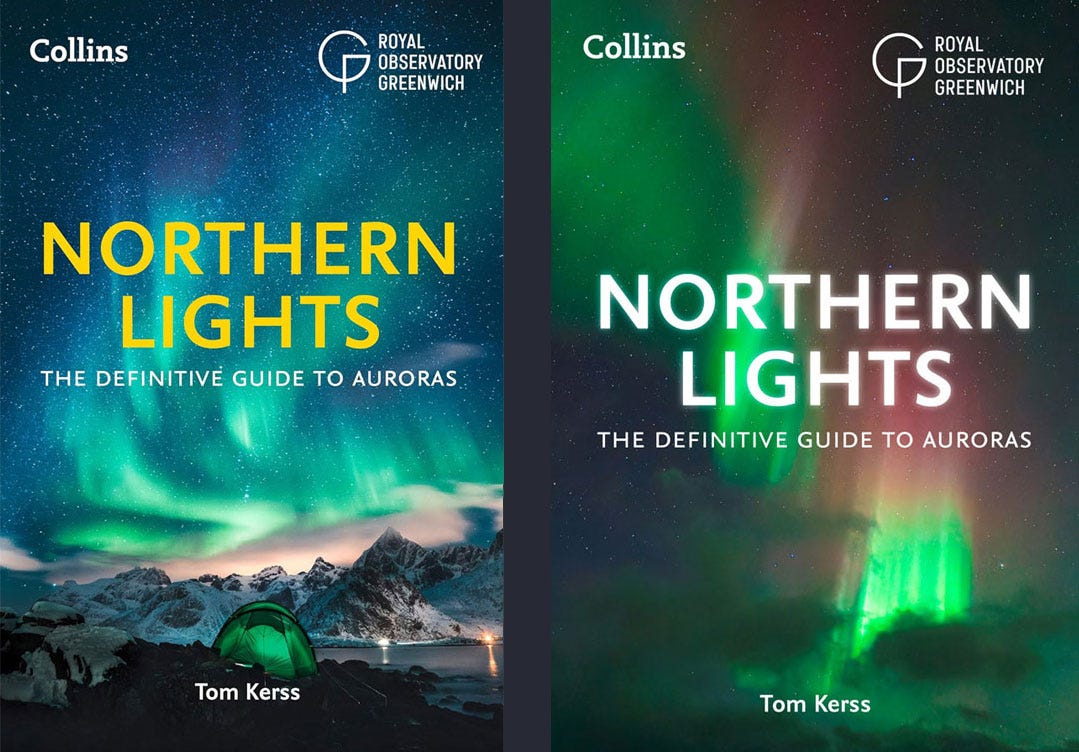
Bringing the chase within reach and home to anyone anywhere. Thank You and keep on chasing!
It's so cool that you were able to turn your hobby into a career-if only we all could be so lucky!